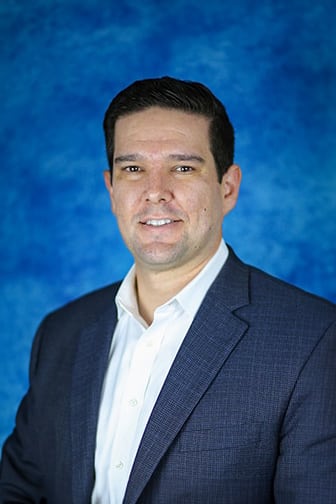
In his recent 401k Specialist article titled Three Shifts Defining the Retirement Advisor’s Role in 2026, HUB RPW’s Matt Escalante outlines how the retirement plan advisor’s role will be redefined in 2026 and shares best practices fellow advisors can leverage to remain agile in the face of rapid change.
Some of the biggest headlines in employee benefits this year? Rising healthcare costs, financial stress, regulatory scrutiny, and employee disengagement.
Matt explored three shifts he has seen impacting the role of the retirement advisor in this new year:
1. Retirement plans now create risk for employers and advisors.
In recent years, retirement plans have faced growing legal, operational, cyber, and reputational risks. Whether it be staying abreast of regulatory and legislative mandates or safeguarding against threats from cyber-criminals in this new AI-age – plan sponsors have a lot to look out for. Matt urges advisors to reframe committee meetings and conversations around plan operations to include these topics, not just outcomes and investment performance.
2. Employee financial wellbeing plays a larger role in retirement plan participation.
According to HUB’s 2025 Workforce Vitality Gap Index, a persistent gap exists between benefit availability and utilization. For financial wellbeing solutions; although 38% of employers offer these programs, only 16% of employees use them. Matt explains that this disconnect offers a meaningful opportunity for advisors to re-position retirement plans as part of a broader financial wellbeing ecosystem in plan sponsor’s minds.
At HUB, we know that financial wellness is not one size fits all. FinPath by HUB is our platform that combines smart AI tools with personalized, human support to help employees reduce stress, make informed financial decisions, and stay on track toward their goals.
3. Benefits decisions are increasingly interdependent.
With the rise in popularity of flexibility and work-life balance in employee benefits, among other changing employee values, employers expect advisors to understand these broad workplace dynamics. Retirement advisors should consider these trends and collaborate with HR teams and workplace data to create holistic plans that maintain engagement and satisfy employee expectations.
“In 2026, retirement advisors will be defined by their ability to anticipate risk rather than to react to it. As fiduciary exposure, employee expectations and regulatory pressures intensify, advisors must move beyond plan mechanics and speak the language of total rewards. In other words, they must connect retirement outcomes to health, wellbeing, flexibility and workforce engagement.”
–Matt Escalante
As Matt noted, employers are no longer looking for isolated solutions, and the role of the advisor is evolving to meet those needs. When you partner with HUB, you’re at the center of a vast network of risk, insurance, employee benefits, retirement and wealth management specialists that bring clarity to a changing world with tailored solutions and unrelenting advocacy. Contact Us to discover what we can do for your organization.
Read the Full Article on 401k Specialist
Click here to read more